Epoxy · PU · polished concrete
Resin and epoxy flooring contractors in Wales
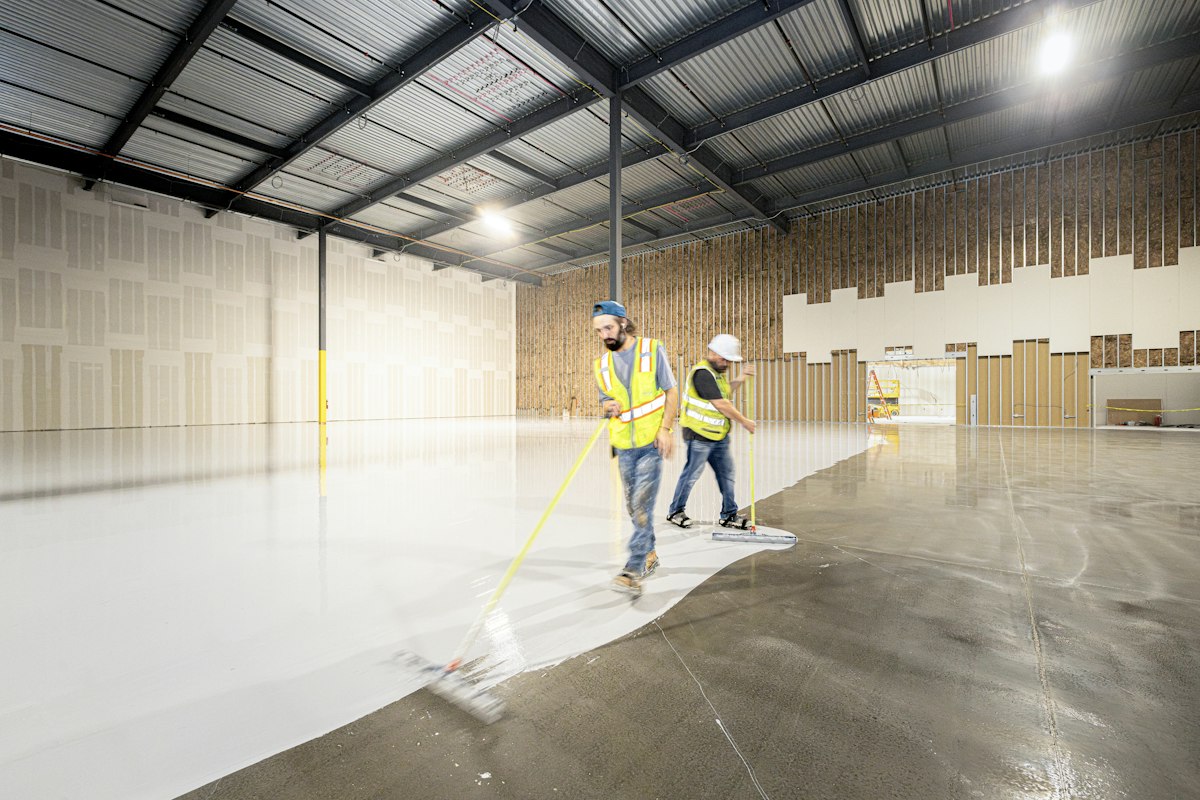
Resin floors are tough, seamless and easy to clean, which is why warehouses, food areas and workshops use them. We match you with resin flooring specialists who prepare the slab properly and pick the right system for the traffic.
- Matched by hand to a checked local expert
- Insurance and company checked
- Free, with no obligation
Options
Types of resin and epoxy flooring
Epoxy coating
A thin, tough coating for light to medium traffic.
Epoxy screed
Thicker, for heavier traffic and uneven floors.
PU screed
For kitchens, food areas and hot washing.
Polished concrete
The existing slab ground and sealed.
What is included
- Epoxy floor coatings and screeds
- Polyurethane screeds for kitchens and food areas
- Anti-slip finishes and aggregates
- Line marking and walkways
- Concrete grinding, repairs and polishing
- Coving and sealed joints for hygiene
What affects the price
- Floor area and current condition
- Traffic: foot, trolleys or forklifts
- Chemicals, heat and water the floor will face
- Slip resistance needed
- Downtime the business can allow
Process
How the job runs
Slab survey and moisture test
Grind and repair
Lay the resin system
Cure, line mark and hand over
How long? Small areas take a few days, including curing. Larger floors are often phased.
Questions to ask an installer
- Which resin system do you recommend and why?
- How will you test the slab first?
- How long before we can use the floor?
- What slip rating will it have?
Rules and safety
Floors in wet or greasy areas need a suitable slip resistance. Resin products can give off fumes while they cure, so they are used under the COSHH Regulations with proper ventilation. Moisture in the concrete slab must be checked before a resin goes down, or it can fail.
Ready to price your resin and epoxy flooring?
Two minutes now gets you quotes from checked specialists.
Questions
Resin and epoxy flooring: common questions
How long does a resin floor take?
Small areas can be laid and cured in a few days. Larger floors are often done in phases or over weekends.
Epoxy or polyurethane?
Epoxy suits most warehouses and workshops. Polyurethane copes better with heat and hot washing, so kitchens and food areas often use it.
Can it go over the existing floor?
Often, once the surface is ground and repaired. The specialist will test the slab first.
How we look after you
Every job matched by hand to a checked local expert.
Run from South Wales by someone who has worked on the tools in commercial fit-out.
Read by a person
We read every brief ourselves and choose who gets it. No algorithm, no auction.
Checked before they get your job
Insurance and company status checked, plus a Google rating of 4 or more or references we contact.
You know who is calling
We email you the names of the installers we have passed your details to.
We follow up
We ask how the job went. Installers who let customers down are removed.